

The thrill of uncertainty
One of the primary reasons people are drawn to casinos is the thrill of uncertainty. This concept taps into the human brain’s natural inclination towards risk-taking, often referred to as the “gamble factor.” When individuals place bets, they experience a rush of adrenaline that stimulates their reward pathways, especially when considering options like casino uk fast withdrawal that can enhance the excitement. This interplay of risk and reward creates a powerful emotional experience, making the prospect of winning feel exhilarating. The potential for a large payoff activates a sense of excitement, which can become both addictive and enticing for many players.
The psychology behind this thrill is deeply rooted in the unpredictability of outcomes. Unlike many other activities in life that have fixed expectations, gambling introduces an element of chance that is inherently unpredictable. This uncertainty can lead to what is known as a “near-miss” effect, where individuals feel invigorated even after losing, convincing themselves that they are on the verge of winning. This phenomenon keeps patrons returning to try their luck again, continuously seeking that elusive big win that feels just within reach.
Moreover, the ambiance of casinos is specifically designed to amplify this thrill. Bright lights, stimulating sounds, and engaging visuals create an immersive experience that heightens emotional responses. The combination of these sensory stimuli elevates the overall excitement level, making it easier for individuals to lose track of time and immerse themselves completely. This deep connection to the gambling experience enhances the allure of uncertainty, drawing people back repeatedly to the casino floor.
The social aspect of gambling
Casinos are not merely venues for gambling; they function as social hubs where individuals gather to share experiences. The communal atmosphere fosters interaction among players, creating bonds formed through shared excitement and anticipation. This social element can significantly enhance the enjoyment of gambling, as individuals often partake in games with friends or family. The laughter, cheers, and camaraderie can transform a solitary activity into a collective celebration, making the experience more appealing and memorable.
The social dynamics at play in casinos can also trigger behaviors driven by social proof. When individuals observe others winning, they may feel more inclined to join in, believing they too can achieve similar success. This sense of belonging can be powerful; players rally around one another, celebrating wins together and comforting each other during losses. The shared experience of excitement and disappointment creates unique bonds, enriching the overall casino experience and encouraging repeat visits.
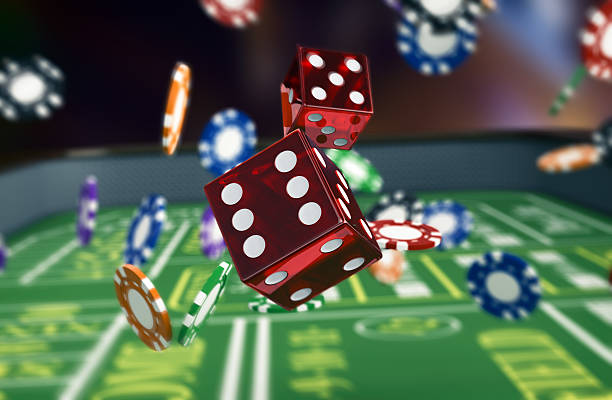
Additionally, events and tournaments often take place in casinos, further enhancing their social appeal. These gatherings draw crowds and encourage participation, fostering a sense of community and friendly competition. Social interactions in these settings can lead to lasting friendships, turning casual visits into regular outings. This aspect of casinos is particularly appealing to those who thrive on social engagements, as it seamlessly combines the thrill of gambling with the joy of connection and shared experiences with others.
The allure of luxury and escapism
Another key psychological factor contributing to the love of casinos is the allure of luxury and the escapism they provide. Casinos often embody a glamorous lifestyle, filled with opulence, sophistication, and a sense of indulgence. For many, visiting a casino offers an opportunity to escape from the drudgery of everyday life and immerse themselves in a lavish environment. The allure of high-stakes games, lavish decor, and extravagant amenities creates a fantasy world where patrons can temporarily forget their worries and responsibilities.
The escapism associated with casinos can be particularly appealing for individuals seeking to break free from mundane routines or challenging life situations. The atmosphere encourages them to indulge in fantasies of wealth, success, and excitement, providing a much-needed emotional recharge. In this way, casinos serve as a refuge where individuals can experience thrills and enjoy a lifestyle they might not otherwise access, even if just for a few hours.
Moreover, the carefully curated environments in casinos are designed to make visitors feel special and valued. From complimentary drinks to bespoke entertainment, these thoughtful touches enhance the sense of luxury and reinforce the perception that patrons are part of an exclusive club. This feeling of being valued contributes to increased satisfaction and loyalty towards the casino experience, encouraging repeat visits. Ultimately, the combination of luxury and escapism creates compelling reasons for individuals to return to casinos time and again, seeking that unique blend of excitement and indulgence.
The impact of psychology on gaming behavior
Understanding the psychological elements behind gaming behavior is crucial to grasp why people are drawn to casinos. One significant factor is cognitive dissonance, where individuals rationalize losses or downplay negative experiences to maintain their belief in their luck or skill. This self-justification process allows gamblers to continue playing despite setbacks, creating a cycle of behavior that is difficult to break. The desire to prove oneself right often outweighs the reality of losses, encouraging players to stay engaged with the games in hopes of vindication.

Another psychological aspect is the reinforcement of habits through operant conditioning. Casinos employ various techniques to create an environment conducive to prolonged gaming, such as offering rewards, bonuses, and loyalty programs. These incentives trigger positive reinforcement, encouraging players to return and engage with the games. The more players win or receive rewards, the more likely they are to continue gambling, further entrenching their behavior within the casino ecosystem and making it challenging to resist the next game.
Additionally, the sensory elements of casinos play a significant role in shaping gaming behavior. The sounds of slot machines, flashing lights, and the overall ambiance can create a euphoric environment that induces a trance-like state. This psychological manipulation makes it easier for individuals to lose track of time and money while engrossed in the gaming experience. As they become deeply absorbed in the atmosphere, gamblers may find it increasingly difficult to step back and evaluate their behaviors critically, further solidifying their connection to casinos and their offerings.
Exploring the website for more insights
For individuals interested in delving deeper into the psychological factors behind casino experiences, numerous resources and insights are available online. Websites dedicated to gambling psychology and behavioral analysis offer valuable information on how casinos attract patrons and the underlying mental triggers at play. Engaging with these resources can provide a more profound understanding of the motivations driving people to casinos and the implications of their behaviors, making it easier to navigate the complex world of gambling.
Furthermore, exploring forums and discussions about gambling experiences can illuminate the diverse perspectives of players. By sharing stories and strategies, individuals can better comprehend the common psychological themes that emerge in the casino environment. These discussions often highlight the balance between entertainment and risk, prompting players to reflect on their experiences and motivations in a way that could lead to more responsible gaming practices.
The wealth of information available on the psychology of casinos serves as a valuable tool for responsible gaming. Understanding the psychological factors at play allows individuals to make informed decisions about their gambling behavior. By promoting awareness and encouraging dialogue around these topics, players can enjoy the thrill of casinos while maintaining a healthy relationship with gaming activities, ensuring that their experiences remain enjoyable and positive.
